

Picture this: You’re standing in your bathroom, toothbrush in hand, staring at yourself in the mirror. It’s [7:15] AM, and you’ve just finished your morning routine. But instead of rushing out the door like usual, you pause for five minutes and pull out a small journal.
This isn’t some elaborate productivity system or complex morning ritual. It’s something much simpler and more powerful: habit stacking.
I’ve been using this approach for over a decade, long before it even had a name. And it’s helped me build dozens of habits that have actually stuck, from daily journaling to consistent exercise to better energy management throughout my day.
The beauty of habit stacking isn’t that it requires superhuman willpower or perfect conditions. It’s that it works with your existing momentum instead of fighting against it.
Why Most Habits Fail Before They Start
Let’s be honest about something: creating lasting habits is hard. Really hard.
I’ve watched countless people (myself included) try to build new habits only to abandon them within weeks. The gym membership that goes unused after February. The meditation app that collects digital dust. The reading goal that gets forgotten by March.
The problem isn’t that we lack motivation or discipline. The real issue is that we’re trying to create something entirely new from scratch, which requires enormous amounts of mental energy and focus.
Think about it this way: every day, you’re already operating with a certain amount of momentum. You brush your teeth, make coffee, check your phone, drive to work. These actions happen almost automatically because they’re wired into your routine.
But when we try to add a completely new habit, we’re essentially asking our brain to create a brand new pathway while fighting against our natural tendency to stick with what’s familiar. It’s like trying to start a car that’s been sitting in the garage for months instead of one that’s already warmed up and running.
The smarter you are, the easier it becomes to rationalize your way out of new habits. You’ll find perfectly logical reasons why today isn’t the right day to start, or why your circumstances aren’t quite ideal yet.
This is where habit stacking becomes a game-changer.
The Habit Stacking Formula That Actually Works
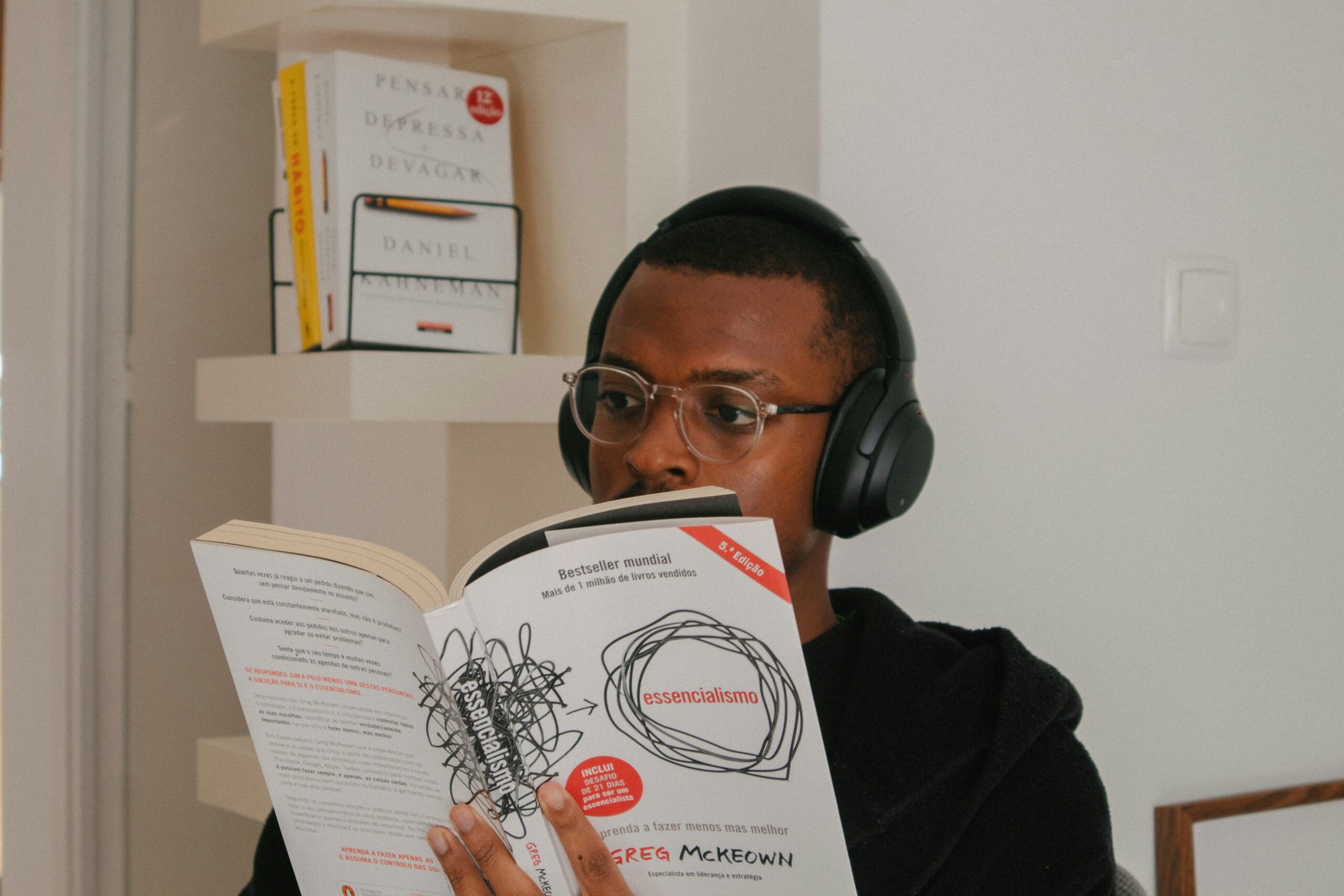
Habit stacking is beautifully simple: you pair something you want to do with something you’re already doing consistently.
The formula looks like this: **After [existing habit], I will [new habit].**
That’s it. No complex systems, no perfect timing, no waiting for ideal conditions.
Here’s how I’ve used this in my own life:
After I finish my workout at the gym, I ride my bike on the trail. This gives me extra cardio without having to motivate myself for a separate bike ride session.
After I clear my desk at the end of the day, I clean my apartment for five minutes. Instead of doing a big cleaning session once a week, I maintain my space daily with minimal effort.
After I press the button to boil water for tea, I meditate for two minutes. The tea maker takes exactly two minutes to heat up, so I use that time for a quick mindfulness practice.
The key is building on momentum you already have rather than trying to create it from nothing.
Start Small and Be Ruthlessly Realistic
Here’s where most people mess up habit stacking: they get too ambitious too quickly.
You might think, “After I brush my teeth in the morning, I’ll go for a 10K run.” That sounds great in theory, but if you’re rushing to get kids ready for school or have early client calls, it’s not going to happen consistently.
The trigger (your existing habit) and the new behavior need to make sense together in your actual life, not your ideal life.
Better examples might be:
– After I pour my morning coffee, I’ll empty the dishwasher
– After I start the microwave, I’ll do a 30-second plank
– After I get in my car, I’ll start an audiobook instead of turning on the radio
I learned this lesson the hard way when I was building my reading habit. I tried to stack it with various morning activities, but my mornings were too chaotic. It only worked when I paired it with coming home from the gym, when I had a natural transition period and was already in a focused mindset.
The context matters as much as the formula itself.
Be Specific or Your Brain Will Find Excuses
Vague intentions are the enemy of consistent action.
If you tell yourself “After waking up, I will do yoga,” you’re leaving too much room for interpretation. What kind of yoga? How long? Where exactly?
Your brain’s excuse engine will kick in immediately: “Well, I don’t have the right mat,” or “I’m not sure which video to follow,” or “Maybe I should research the best yoga routine first.”
Instead, be laser-specific: “After I come downstairs from my bedroom, I will do the 20-minute morning yoga class on YouTube in my living room.”
This removes all decision-making from the moment of action. You know exactly what to do, where to do it, and for how long.
I apply this same principle to my tea meditation habit. I don’t just say “I’ll meditate while the water boils.” I specifically close my eyes, focus on my breathing, and use the tea maker’s timer as my meditation bell. No decisions, no ambiguity, just action.
The more specific you are, the less mental energy you’ll waste on figuring out what to do next.
Your Next Step: Pick One Stack and Start Today
Don’t try to revolutionize your entire routine overnight. Pick one habit stack and commit to it for the next week.
Here’s how to choose:
1. Identify a rock-solid existing habit – something you do every single day without fail
2. Pick a small new habit – something that takes 5 minutes or less
3. Make sure they fit together logically – the timing and context should make sense
4. Write it down using the formula – “After [X], I will [Y]”
Some ideas to get you started:
– After I sit down at my desk in the morning, I’ll write down my three priorities for the day
– After I put my phone on the charger at night, I’ll lay out my clothes for tomorrow
– After I finish lunch, I’ll take a 5-minute walk outside
– After I close my laptop for the day, I’ll spend 2 minutes tidying my workspace
Remember, you’re not trying to build the perfect habit system. You’re just trying to add one small positive action to something you’re already doing consistently.
The magic happens when that one small addition becomes as automatic as the original habit. Then you can add another stack, and another, building a collection of positive behaviors that compound over time.
Start with one. Make it small. Make it specific. And most importantly, make it happen today.
