Last updated: 2026-08-17
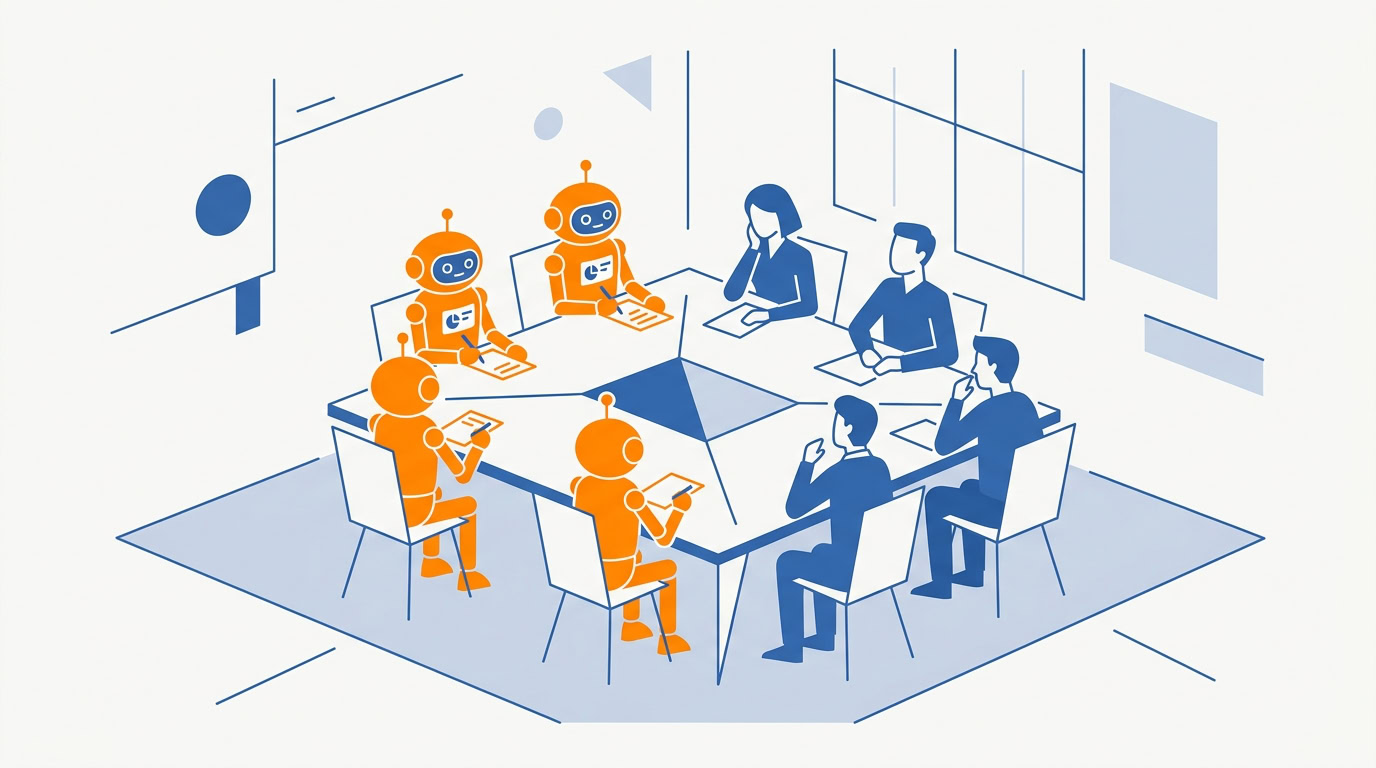
I’ve been on meetings where there were more AI notetakers than humans on the call.
I was testing multiple assistants at once. Other people on the call had their own bots joining too. Funny, in a slightly uncomfortable way. Everyone wanted the meeting captured. The visible bots can be distracting. They can create resistance from the people on the call.
Everyone wants the recording. Almost nobody wants another bot sitting in the participant list.
Does this sound familiar?
Brooks has a name for what happens after those calls: the meeting notes graveyard. Transcripts and summaries pile up in your inbox. They’re technically searchable. You almost never go back and actually do anything with them.
I know because my inbox fills with those summaries. I skim them. Sometimes I ignore them. Brooks uses meeting recordings mostly to find information later.
Searchability is useful. It’s also a reactive, level-one use of these tools. You captured the meeting. Then you treated the capture like the work was done.
Here’s the thing. The productivity leak in meetings is the failure to convert discussion into accountable action.
Brooks connected this to a common corporate pattern. People talk through a problem. Then they talk through the same problem again 2 months later. Nothing left the meeting in an actionable format. Nobody extracted who promised what by when.
A strong AI meeting assistant should update the systems where work actually happens. Task manager. CRM. Project management app. Team chat. The output has to land where people already execute.
I used to treat these tools as summary machines. Now I look for assistants that can trigger automations through built-in integrations or an automation platform. The summary is the starting point. The system update is the job.
If you want a sequence you can actually run, use this.
Transcript
The raw conversation gets captured. That’s table stakes.
Summary
A readable recap so you don’t have to rewatch the whole thing.
Actions
Who promised what by when. Names. Deadlines. Specific next steps.
System update
Push those actions into the tool where the work lives. Don’t leave them sitting inside the transcript.
Human review
You still look at it. The assistant drafts. You approve.
That last step matters. People may behave differently when an assistant is present. You want a human checking the output before it becomes official.
There’s a real tradeoff between invisible local recording tools and visible meeting bots. Tools that record computer audio can reduce meeting friction because no bot joins the call. They can also be weaker at speaker identification. You still have legal and ethical consent to think about.
Brooks noted that local transcription can be better for privacy. He also flagged the limitations. I’ve been looking at tools that don’t join the meeting at all.
So which one do you pick?
1. A bot-based assistant
Something joins the call. Everyone can see it. Friction is higher. I’ve seen that friction turn into a pile of bots.
2. A local recorder
Nothing joins the participant list. Less awkward. Speaker ID may be weaker. Privacy can be better. Consent still applies.
3. The built-in meeting platform
Use what the call tool already offers so you don’t add another bot by default.
Pick on purpose. Don’t drop another assistant into the participant list just because everyone else did.
Ask first.
Brooks has a simple etiquette rule for this. Ask. A line like this is enough:
“Are you okay if I use an AI notetaker for this call?”
Copy that. Paste it into the invite or say it at the top of the call.
Brooks doesn’t mind being recorded. He still appreciates being asked. That’s especially true in sensitive one-on-ones, medical conversations, legal calls, coaching sessions, or anything confidential.
That matches something I’ve noticed. People may behave differently when an assistant is present. Asking is the polite version of that fact.
If you want the highest-ROI place to send the output, start with your CRM.
Have you ever walked out of a client call and trusted your memory to update the record later?
Salespeople and client-facing folks avoid admin work even when it helps them. Brooks has watched CRM hygiene stay a pain point in software and sales teams for a long time.
An assistant can pick up new contact details, meeting notes, buying timelines, and follow-up commitments. Then it can update the CRM or create a reminder automatically.
I’ve used this for simple things. Update a contact’s location. Add the call notes. Create a 30-day follow-up task. None of that should depend on you remembering it after the call.
Stop relying on memory after client calls.
There’s a second use I care about as someone who makes content.
AI meeting assistants can become a content and customer-insight engine. I use transcripts to automatically capture testimonials, customer pain points, research insights, and personal stories. They go into a searchable content bank. Later those notes support newsletters, podcast outlines, and posts.
Someone mentions an interesting story or a testimonial casually on a call. I don’t have to take manual notes. The assistant catches it. I file it.
Open the most recent meeting summary sitting in your inbox. The one you skimmed or ignored. Turn 1 action item into a task with an owner and a date.
If that task never leaves the transcript, you still have a graveyard.
Recommended for you
Want the full system? 25X is the flagship productivity system we teach.
Explore 25X →