
Last updated: 2026-08-28
I once sat on a call where there were more AI notetakers than humans. I was testing a few assistants at the same time, and other people on the call had brought their own. Bots everywhere. Funny, in a slightly uncomfortable way. Everyone wanted the meeting captured. Nobody seemed to have asked whether another bot in the room was actually useful.
That’s the snapshot I keep coming back to. We got really good at recording meetings. We did not get better at doing anything with what was said.
Brooks has a name for what happens next: the meeting notes graveyard. Transcripts and summaries land in your inbox. They’re technically searchable. You almost never go back and act on them. He mostly uses recordings to find something later, which is a perfectly reasonable habit. I get the same pile. My inbox fills with summaries I skim or ignore.
Searchability is useful. It is also a reactive, level-one use of these tools. Capture without a workflow is just a nicer archive.
Ask before the bot joins
Here’s the thing. People behave differently when an assistant is sitting in the room. I’ve noticed that. A visible bot can make a one-on-one feel less like a conversation and more like a deposition, especially if the call is sensitive.
Brooks’s etiquette rule is simple: ask first. He doesn’t mind being recorded. He still appreciates being asked. That’s the bar.
Copy this and use it at the start of the next call:
“Are you okay if I use an AI notetaker for this call?”
Do that before you drop a bot into a medical, legal, coaching, or confidential conversation. Do it in regular one-on-ones too. Consent is not a feature setting. It’s a sentence you say out loud.
Pick the tool on purpose
There’s a real tradeoff here, and I wish more people treated it like a decision instead of a default.
Visible meeting bots. They join the call. Everyone can see them. Speaker identification is often stronger. They can also distract people, and they can create resistance. I’ve seen that firsthand when the participant list starts looking like a robot convention.
Local recorders. Some tools record computer audio and never join the meeting as a bot. Less friction on the call. Brooks’s take is that local transcription can be better for privacy. The catch is weaker speaker identification, and you still need legal and ethical consent. Invisible does not mean you get to skip the ask.
Built-in meeting platform tools. If the platform already records and transcribes, adding a third-party bot on top may be redundant. And distracting.
Before your next meeting, pick one. Don’t stack them because everyone else did.
The leak is the action, not the discussion
Brooks pointed out a corporate pattern you’ve probably lived through. A team talks about the same problem again two months later because nothing left the first meeting in an accountable format.
The productivity leak is the failure to convert discussion into who promised what by when.
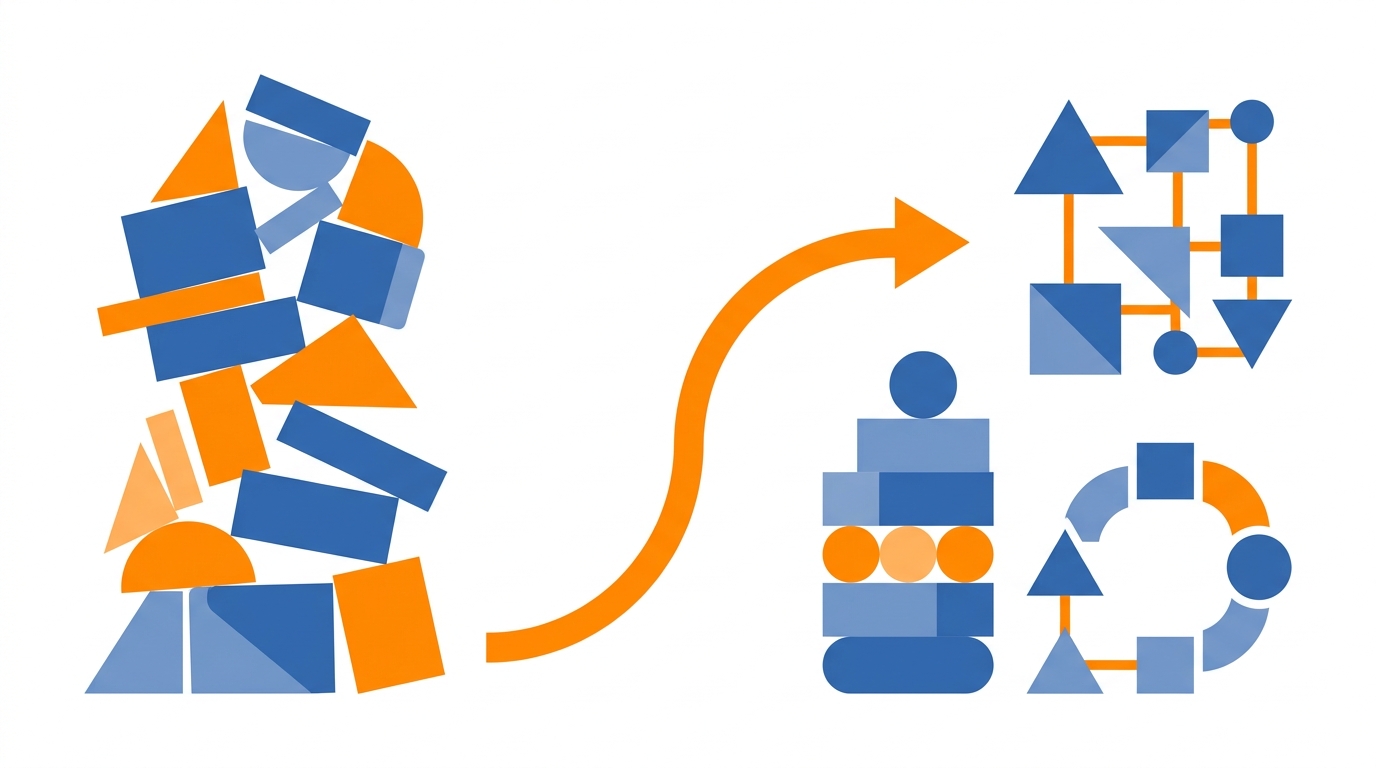
A strong AI meeting assistant should update the systems where work already happens. Don’t leave action items trapped inside a transcript. Connect the assistant to a task manager, a CRM, a project management app, or team chat so the output lands where people execute.
Simple summary tools stop at a recap. The useful ones can trigger automations through built-in integrations or an automation platform.
Run this sequence after every meeting that matters:
- Transcript. The raw record exists.
- Summary. You get the recap, but you don’t stop there.
- Actions. Extract the commitments: owner, task, deadline.
- System update. Push those into the tool people already use.
- Human review. Someone still checks the output before it becomes “official.”
That last step matters. Assistants draft. You confirm.
If you want an AE-style meeting system, keep it boring on purpose: decisions, owners, deadlines, and automatic task capture. The same issue should not need a reunion tour.
Stop relying on memory after client calls
CRM updates are a high-ROI use case, and I mean that in the unglamorous way. Sales and client-facing people avoid admin work even when it helps them. Brooks has watched CRM hygiene stay a pain point in software and sales teams for a long time. Memory is a terrible CRM.
An assistant can detect new contact details, meeting notes, buying timelines, and follow-up commitments, then update the CRM or create a reminder automatically.
What that looks like in practice: update a contact’s location, add call notes, create a 30-day follow-up task. Nobody has to remember to do the admin at 6pm after a full day of calls.
If you lead a team that talks to customers, this is the first workflow I’d wire up. Capture is cheap. Follow-through is where deals and relationships actually live.
Turn conversations into a content bank
There’s a second use I care about as a creator. Transcripts can feed a content and customer-insight engine.
I use them to capture testimonials, customer pain points, research insights, and personal stories into a searchable content bank. Later, that bank supports newsletters, podcast outlines, and posts. A story or testimonial that comes up casually in a meeting gets stored without me sitting there taking notes like a court reporter.
You’re already having the conversations. The missed step is filing the good stuff somewhere you can find it on purpose.
Build a simple bank. Tag what you save as testimonial, pain point, insight, or story. When you sit down to write, search the bank first. Don’t start from a blank page when last week’s calls already handed you the material.
Do this on your next call
Don’t add another bot by default. Don’t keep collecting summaries you’ll ignore.
On the next meeting that actually matters, do one thing: ask for consent, then send the output into a real system. Task manager, CRM, project tool, or your content bank. Pick the destination before the call starts, and review what the assistant captured before you trust it.
The graveyard is already full. Stop adding to it.
Recommended for you
Want the full system? 25X is the flagship productivity system we teach.
Explore 25X →