When a recovery timeline in front of you looks long, it is worth researching how to support it along the way; you have to change how you work on low-energy days. Get serious about the health habits that belong in place before you ever get hurt.
Use the line that helps when a setback feels heavy: everything is temporary. Think about hard seasons you have already come through. Every one of them passed. A setback is a temporary state. Holding that lowers the mental weight, and you can focus on practical solutions.
Have you got a setback right now that feels endless? Write down one current struggle. Under it, list three past struggles you’ve overcome. Read them. You’ve already collected the evidence.
A limitation can also hand you a skill you have been too comfortable to build.
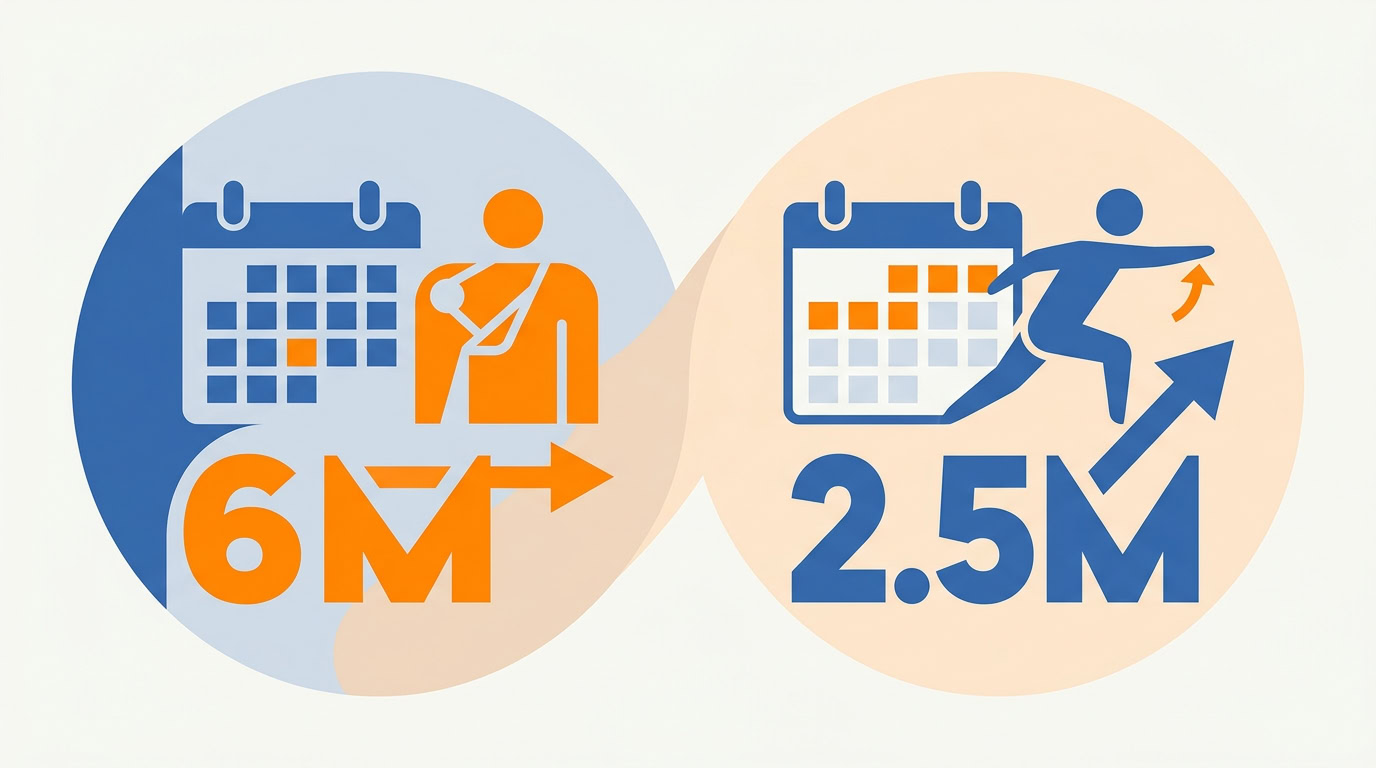
Call it the ambidextrous advantage
A limitation can be the reason you finally develop a neglected skill. Which one have you been skipping because you’re too busy, or because you’re too comfortable with your current method? Write it down. Give it reps on purpose. You won’t pick this up on a week when you feel fine.
I’m going out of my wheelhouse here, because I’m no medical doctor. Run this past your doctor before you try it on your own body.
One area worth reading about is blood flow. Stimulating circulation brings oxygen and nutrients to an injured area, which supports healing. If you can’t move the injured part, like when it’s in a cast, electrical stimulation can create micro-contractions in the surrounding muscles. A TENS unit or a PowerDot is the type of device people ask about. The aim is blood flow, and a lower risk of further injury. Take that to your doctor before you try it.
Check with your doctor about a TENS unit or a PowerDot. Ask about red light therapy in the same conversation. You want their read on your specific injury.
Low-energy days needed a different system for the work itself
Have you tried to categorize a full task list when you barely have the focus to start one item? I used to open the Eisenhower Matrix and sort. Urgent here, important there. It’s a useful tool when you have the mind for it. On a depleted day, the categorization takes more mental energy than you have.
I switched to an injury-adjusted ABC method. Tasks still land in A, B, or C. A tasks get capped at one or two items a day. Some days, one is the right number. Complete that critical task at a high quality. Spreading thin energy across ten mediocre tasks keeps your cognitive load high and walks you straight toward burnout. A short list is how you respect a limited day.
Audit your current to-do list. Circle only one A task for tomorrow. Finish it. The other items can wait until you have a real tank again.
When movement is painful, two adjustments are worth taking
Batch the getting-up tasks. Water, bathroom breaks, snacks. Plan them into one break block, one time up. Fewer times standing. Fewer times walking. More energy left for the actual work. A small change in the routine, sized to the physical constraint.
If getting up costs you, identify three small tasks you do throughout the day. Batch them into one break. Do the cluster, then stay put and work.
A usual workout may be out too. Ask ChatGPT for a plan in one sentence: “Create a 5-day workout plan that fits the movements still available.” The AI handles the research and the organization. You get an actionable path to review and a way to stay active. You save hours of Googling. Use the model as a brainstorming tool. You hand it the constraint. It hands you a plan you can review.
Write your version
One sentence, with your real limit in the prompt. If you already have a health or recovery prompt that earned its keep, share it. Specific prompts are the ones people can use.
I think about prevention the way I think about backups. You start backing up data while the hard drive still works. Sleep, diet, movement. Those are health backups. Build them before you are injured. The cost of prevention is low. The cost of recovery is high. A long recovery is the expensive version. You do not have to wait until one is sitting in front of you.
What is one health backup you haven’t set up yet? A regular check-up. A stretching routine. Something you already know is missing. Put it on the calendar while you still feel fine.
Recommended for you
Struggling to focus? The Focus Filter shows you what actually matters each day.
See the Focus Filter →